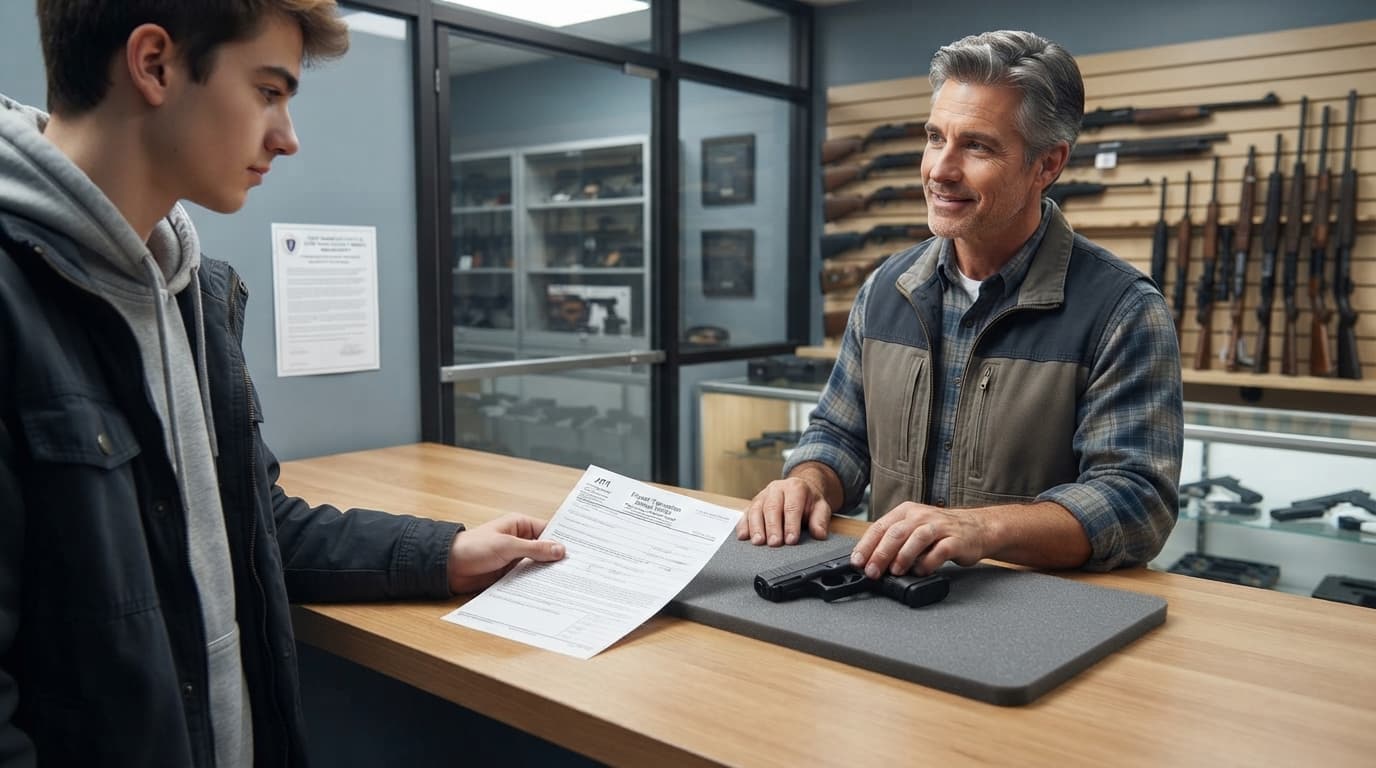
Look, I sell guns for a living. When someone walks into my shop at 18, 19, or 20 years old, they're old enough to vote, sign contracts, serve in the military, get married, and make a dozen other life-altering decisions. But apparently, they're not trusted with a handgun or semiautomatic rifle.
That's the reality in Massachusetts now, after a federal judge upheld the state's ban on firearms for adults under 21. Judge George O'Toole sided with the Bay State last week, rejecting a challenge from a coalition including the NRA, Second Amendment Foundation, Gun Owners of America, and the Firearms Policy Coalition.
The state's 2024 law—signed by Governor Maura Healey—is about as restrictive as it gets. We're talking about a complete prohibition on acquiring, possessing, or carrying any handgun or semiautomatic firearm for 18-to-20-year-olds.
O'Toole's reasoning? The "infancy doctrine"—a founding-era legal concept that treated people under 21 as lacking full legal capacity. Here's the problem with that argument: at the founding, the voting age was also 21. The age of majority itself was different back then. To cherry-pick 21 as some kind of historical standard while ignoring that everything else also operated under that same threshold is intellectually dishonest.
The plaintiffs made a strong point: this turns the Second Amendment into a "second-class right." O'Toole dismissed this by claiming it "conflates regulation with relegation." That's a fancy way of saying "your rights can be delayed indefinitely and that's fine."
But here's what gives me hope: this case isn't over. It's climbing the ladder toward the Supreme Court, where Bruen-era scrutiny might finally give young adults a fair shake. We need a clear ruling that says you can't just warehouse fundamental rights until government decides people are "old enough."
In the meantime, young adults in Massachusetts are getting a raw deal. They can risk their lives overseas but can't protect themselves at home with a common firearm. That needs to change.