Well, it's about time someone in the federal government told the truth about microstamping.
The National Institute of Standards and Technology just delivered what we in the firearms community have known for twenty years: there's zero reliable evidence that microstamping works. NIST reviewed the existing research and found "significant disagreement regarding the viability of this technology." That's government-speak for "it doesn't hold up."
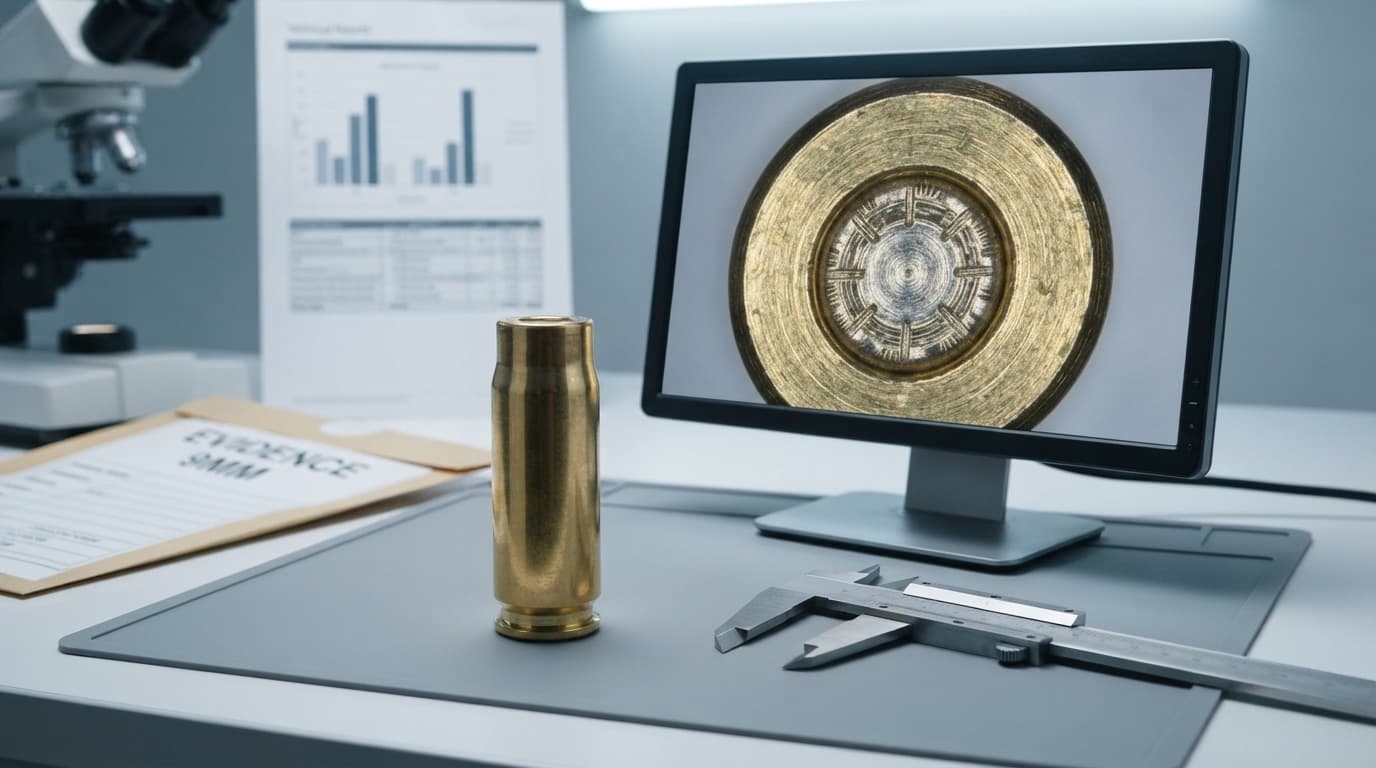
Here's the rundown on why this tech is nonsense. Microstamping involves engraving a microscopic code on a firing pin that supposedly transfers to spent casings. Sounds good in a politician's press release, but real-world problems abound. Firing pins wear down. Carbon fouling obscures the marks. Parts get replaced. And any criminal can swap a firing pin or pick up someone else's brass at a public range.
NIST confirmed what we've been screaming about: no realistic mechanical solution exists to prevent modification or circumvention.
This matters big time because California is pushing Senate Bill 452, which would ban the sale of new handguns starting in 2028 unless they have certified microstamping technology. Sound familiar? It's the same trick they used in 2013 to gut the handgun roster—create an impossible requirement, call it a "technology mandate," and suddenly modern pistols vanish from store shelves.
New Jersey is pulling the same stunt. Attorney General Platkin declared microstamping "viable" in 2024 despite no pistol actually meeting the requirement.
The bottom line: this technology won't stop criminals, won't solve crimes, and will only make it harder for lawful citizens to buy common handguns. NIST's findings give lawmakers a federal technical report to point to when they vote against these mandates. Use it.